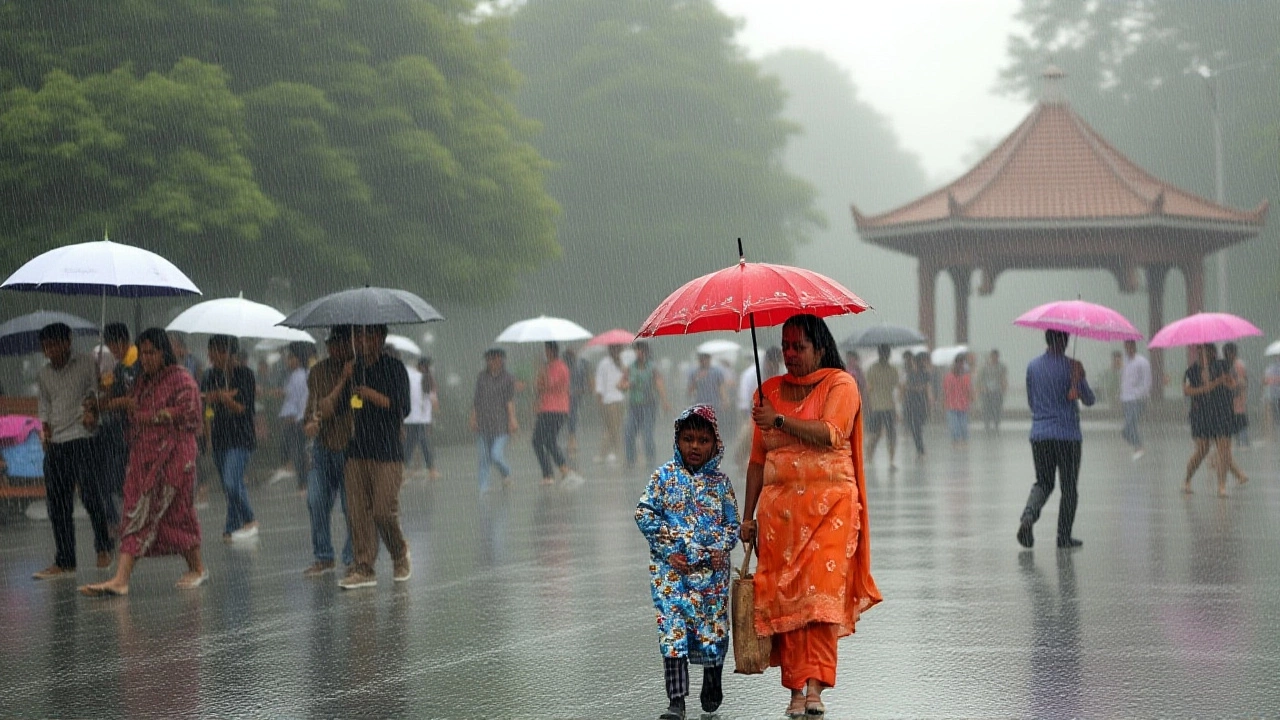
When India Meteorological Department (IMD) issued a yellow alert for 15 states on May 13, 2026, it wasn’t just another routine weather update. It was a warning that the monsoon’s prelude had arrived with a vengeance. From the bustling streets of Delhi to the hill stations of Himachal Pradesh, residents were bracing for gusty winds, thunderstorms, and in some areas, hail.
The alert covers a vast swathe of the country, including Uttar Pradesh, Bihar, Madhya Pradesh, Punjab, Haryana, Rajasthan, Uttarakhand, Karnataka, Tamil Nadu, Assam, Manipur, Tripura, and Mizoram. The stakes? Wind speeds hitting up to 60 km/h in several regions, with potential for localized damage and disruption.
A Sudden Shift in the Capital’s Weather
Here’s the thing about Delhi’s spring: it’s unpredictable. One day it’s scorching; the next, it’s pouring. On May 13, the capital saw partial cloud cover turning into an afternoon drama. As reports from Navjivan India noted, winds between 30 and 40 km/h swept through the city, bringing relief from the heat but also chaos for commuters.
Temperatures hovered around a high of 38°C and a low of 26°C earlier in the week, but the storm activity brought a temporary dip. GNT TV reported that skies remained partly cloudy throughout Wednesday evening, with lightning flashes illuminating the horizon. By Thursday, however, the clouds began to thin, setting the stage for a return to sweltering conditions.
“It’s like the atmosphere is holding its breath,” said one local meteorologist who asked not to be named. “The western disturbance is lingering, keeping things unsettled until mid-week.”
Uttar Pradesh and Bihar in the Crosshairs
While Delhi dealt with gusts, neighboring Uttar Pradesh faced a more widespread threat. Districts like Saharanpur, Meerut, Moradabad, Aligarh, Mathura, Agra, Etawah, Sitapur, Mahamaya Nagar, Auraiya, Kanpur, Farrukhabad, Bijnor, Mainpuri, Hardoi, Jhansi, and Lalitpur all received yellow alerts.
In Bihar, the situation looked even trickier. Navbharat Times highlighted heavy rain possibilities across West Champaran, East Champaran, Madhepura, Gopalganj, Gaya, Vaishali, Muzaffarpur, Samastipur, Darbhanga, Madhubani, Supaul, Araria, Purnia, Katihar, Kishanganj, and Bhagalpur. Farmers in these agrarian belts will be watching closely—too much rain can ruin crops, while too little leaves fields parched.
The ripple effect extends beyond agriculture. Transport networks, power grids, and urban drainage systems are all tested during such events. In cities like Patna and Varanasi, where infrastructure struggles under normal loads, sudden downpours often lead to waterlogging and traffic gridlock.
Himalayan States Brace for Hail and High Winds
If you thought the plains were rough, wait till you hear about the hills. Uttarakhand and Himachal Pradesh are facing a different kind of challenge: hailstorms and gale-force winds.
In Uttarakhand, districts including Nainital, Rudraprayag, Chamoli, Bageshwar, and Pithoragarh saw strong chances of hail and lightning between May 13 and 14. Winds reached 40–50 km/h, threatening fragile mountain ecosystems and tourist spots alike.
Himachal Pradesh had an even longer window of trouble. From May 13 to 17, Kullu, Mandi, Shimla, and Sirmaur faced repeated warnings of hail, thunder, and winds up to 70 km/h. Starting May 15, a western disturbance pushed rainfall further east, lasting until May 16. Light to moderate snowfall was expected in higher altitudes—a rare sight this late in the season.
“This isn’t typical behavior for May,” explained Dr. Anjali Mehta, a climate researcher at the Indian Institute of Tropical Meteorology. “Western disturbances usually fade by April. Seeing them persist into mid-May suggests shifting patterns we need to monitor closely.”
Southern India Gets a Wet Start
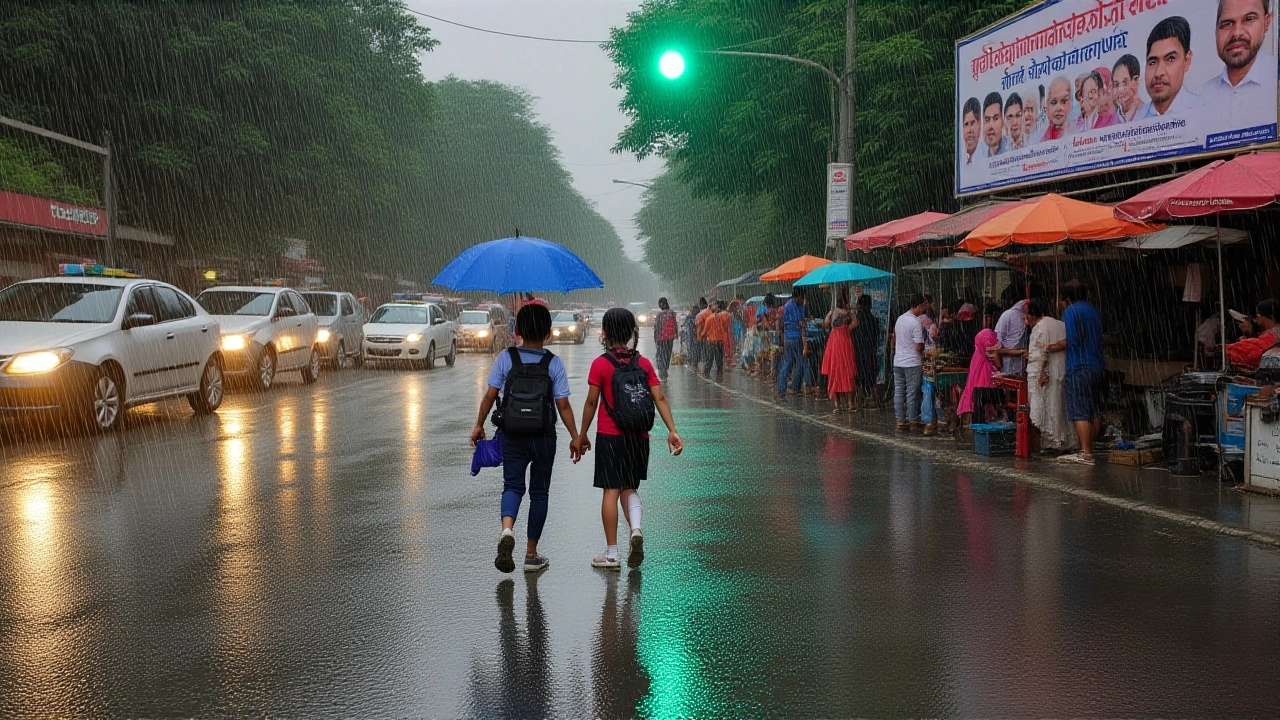
Meanwhile, in the south, Kerala, Tamil Nadu, and parts of Karnataka got their first taste of seasonal rains. OneIndia reported scattered showers across these states on May 13–14, with Tamil Nadu seeing increased activity over the next 48 hours.
For farmers in Chittoor and Tirupati, this early moisture could mean better germination rates for summer crops. But for urban dwellers in Chennai or Bengaluru, it meant flooded roads and delayed flights.
What Comes Next?
By May 14, Delhi-NCR skies cleared slightly, though partial clouds lingered. Temperatures climbed back toward 36–38°C, signaling the end of the brief reprieve. Meanwhile, Himachal continued to see intermittent rain due to the western disturbance’s influence.
Experts warn that if this pattern continues, we may see more frequent extreme weather events in coming months. Climate models suggest rising global temperatures are intensifying atmospheric instability, leading to stronger storms and erratic rainfall distribution.
Frequently Asked Questions
Which states are under yellow alert?
Fifteen states including Delhi, Uttar Pradesh, Bihar, Madhya Pradesh, Punjab, Haryana, Rajasthan, Uttarakhand, Himachal Pradesh, Karnataka, Tamil Nadu, Assam, Manipur, Tripura, and Mizoram are under yellow alert for wind, rain, and thunderstorms as of May 13, 2026.
Will there be hail in Delhi?
No significant hail is expected in Delhi. However, strong winds of 30–40 km/h and isolated thunderstorms are likely. Residents should secure loose objects and avoid open spaces during peak storm hours.
How long will the bad weather last in Himachal?
Himachal Pradesh faces adverse conditions from May 13 to 17, with hail, thunder, and winds up to 70 km/h. Rainfall persists until May 16 due to a western disturbance affecting western districts.
Is this related to climate change?
While single events can’t be directly attributed to climate change, scientists note that warmer atmospheres hold more moisture, increasing the likelihood of intense storms. Persistent western disturbances in May align with broader trends of changing monsoon dynamics.
What should travelers do?
Travelers heading to northern and northeastern India should check real-time updates before departure. Delayed trains and flights are common during thunderstorm seasons. Carry waterproof gear and plan indoor alternatives for outdoor activities.